Key Takeaways from ConnectedTV World Summit 2025: what’s next for SmartTV and streaming
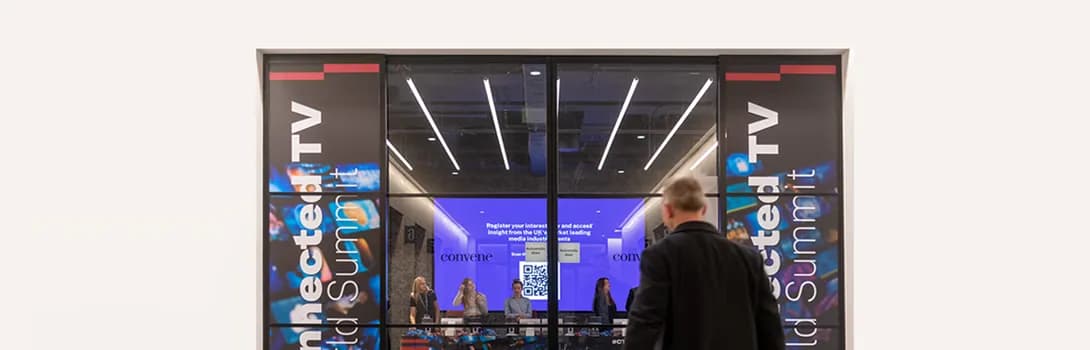
The ConnectedTV World Summit 2025 gathered industry leaders to explore the future of TV, streaming, and emerging technologies. With SmartTV penetration nearing 90% in key markets and global streaming revenues set to exceed $400 billion by 2027, the shift to ConnectedTV ecosystems is accelerating. Smartlabs participated in the event, engaging with key players and sharing insights. Here are the main takeaways:
📌 The rise of SmartTVs across all demographics and regions
SmartTV adoption continues to grow across all age groups and markets. According to Omdia:
70% of SmartTVs run on one of three major operating systems: Tizen (Samsung), WebOS (LG), Android TV (various vendors)
80% of SmartTVs run on one of four dominant platforms: Tizen (Samsung), WebOS (LG), Android TV (various vendors), Roku (various vendors)
📌 Advertising that enables direct retail purchases will become the norm
With online consumer expenditure projected to reach $2 trillion by 2029 in the US (Omdia), advertising is increasingly seen as a direct gateway to product purchasing on devices. Traditionally, ads have been integrated with content, but they are now shifting to the user interface of the device itself, offering new opportunities for ad revenue (Caretta Research).
Managing and delivering advertising with content.
- Pre, mid, post roll adverts for VOD and catchup
- Ad management for catch up content (stopping ad skipping)
Managing and delivering advertising in the user interface
-
Main screen banner advertsStatic or video adverts
-
Clear call to action
-
Support for device specific purchase process
-
Full screen static adverts when paused
📌 Underinvestment in operator devices: a growing concern
Many service providers have shifted away from their own branded Set-Top Boxes, opting instead to rely on retail devices for delivering video services. While this strategy reduces upfront costs, it comes at the expense of control. Operators are increasingly dependent on third-party vendors for software and security updates, as well as product life cycle management. Any issues in these areas often result in support calls, potentially damaging the operator’s reputation and increasing churn.
Caretta Research has flagged this trend as a “huge underinvestment in devices“, urging service providers to rethink their device and vendor strategies in order to enable faster innovation.
📌 Reaching the subscription streaming ceiling: a challenge for operators
According to Ampere Analysis, consumers have hit the ceiling for the number of subscription streaming services they are willing to pay for each month. Without changes in consumer finances or pricing strategies, households are now reaching their limit. Ampere also highlighted that many of the new subscriber additions reported by major streaming platforms are actually resubscribers — consumers switching between services to manage their monthly bills.
In response, some operators have had success introducing bundles to counteract churn and offer discounts to retain subscribers, providing a more flexible and cost-effective solution for consumers.